
How to reduce cockroaches in kitchens and food areas
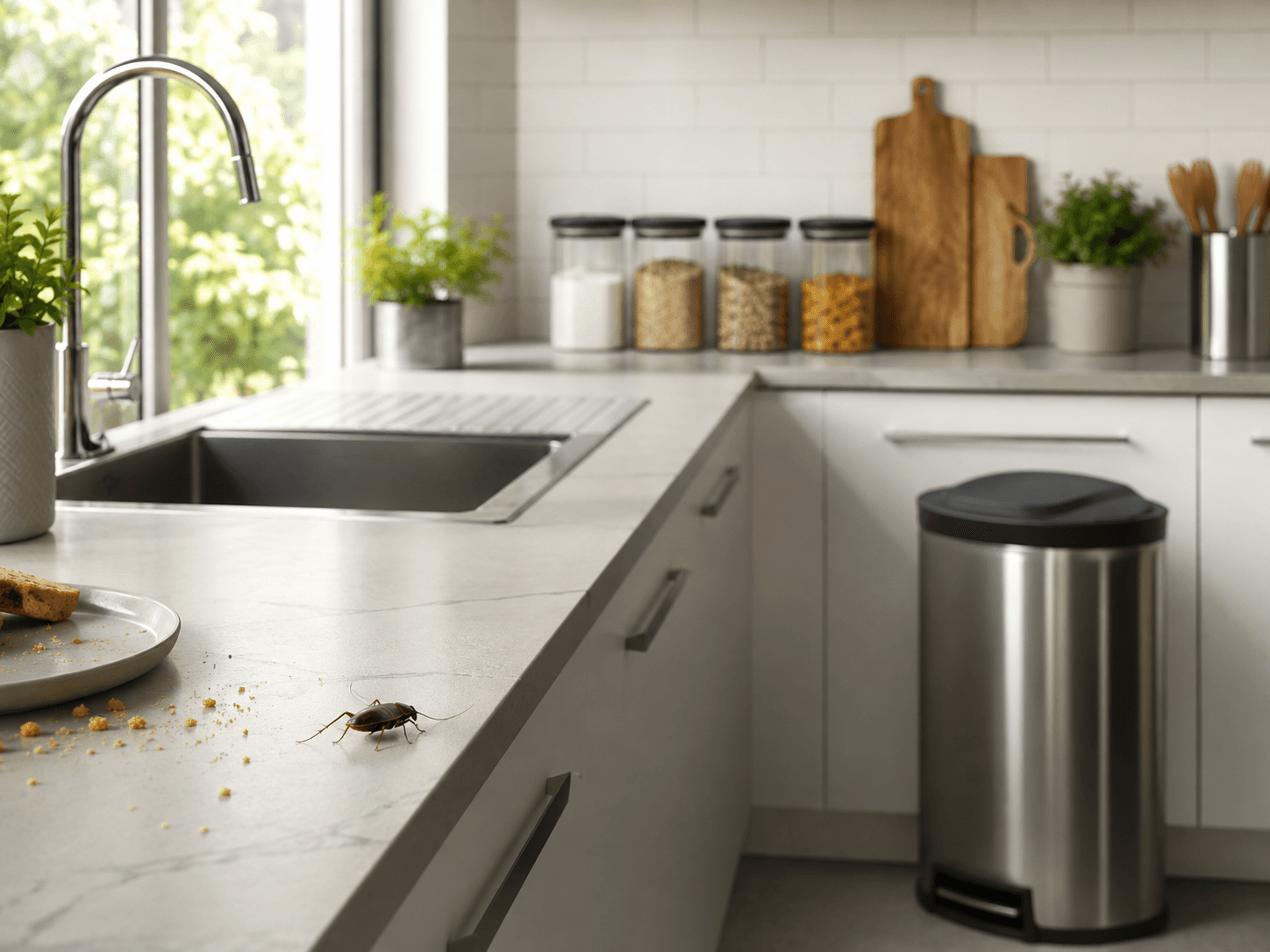
Cockroaches are common in kitchens, restaurants, stores, and food-handling spaces because they are attracted to crumbs, moisture, waste, and hidden gaps. This guide explains simple prevention steps that can help keep food areas cleaner, safer, and less attractive to pests.
Why cockroaches are common in food areas
Kitchens and food spaces give cockroaches the things they need to survive: food, water, warmth, and hiding places.
Even small crumbs, open bins, leaking pipes, or unsealed food containers can make an area more attractive to pests. In busy homes, restaurants, hotels, and food-handling facilities, prevention needs to be consistent.
Keep surfaces clean after food preparation
Wipe counters, tables, sinks, and cooking areas after use. Pay attention to corners, under appliances, and spaces where food particles can easily collect.
Small food remains may look harmless, but they can attract pests over time.
Store food in sealed containers
Keep dry food, grains, snacks, and ingredients in sealed containers. Avoid leaving opened food packs on shelves or counters overnight.
For commercial spaces, storage rooms should be checked regularly to make sure bags, cartons, and containers are properly closed.
Manage waste properly
Use covered bins and empty them regularly. Food waste should not be left exposed, especially overnight.
In restaurants, hotels, and shared kitchens, waste areas should be cleaned frequently because they can quickly become pest attraction points.
Check hidden spaces and entry points
Cockroaches often hide behind cabinets, under sinks, behind appliances, and inside cracks or small openings.
Look out for gaps around pipes, wall edges, cupboards, and storage corners. These areas should be cleaned, monitored, and properly sealed where needed.
Schedule professional inspection when signs continue
Cleaning and prevention can reduce attraction, but repeated cockroach activity may need professional attention.
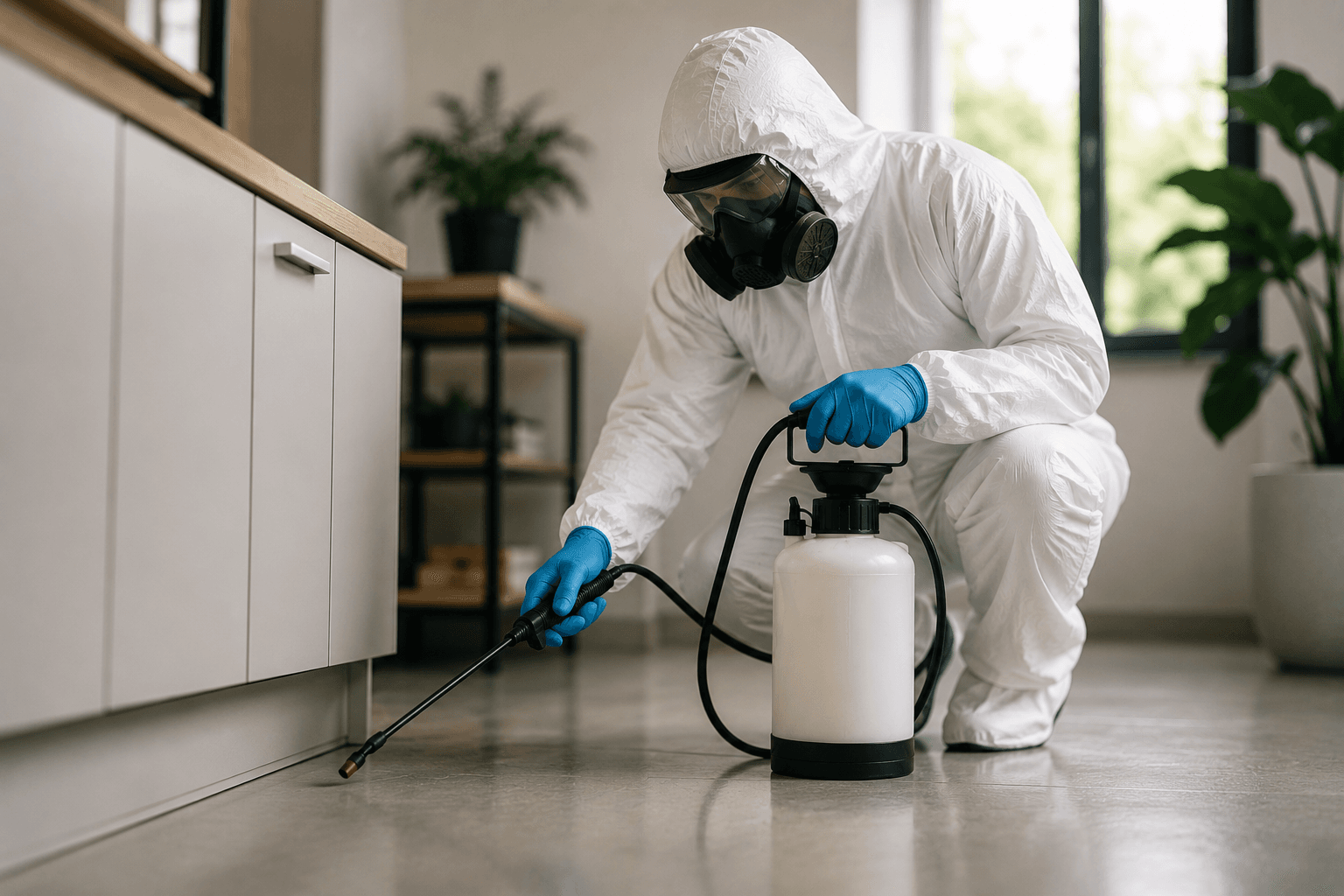
A trained pest-control team can inspect the space, identify hiding areas, and recommend the right treatment and aftercare steps.